Covid-19: what can we learn from Manaus?

Loading player...
The rainforest city of Manaus in the north-west of Brazil was the first in the country to be struck by the pandemic. The virus rapidly spread, and by October last year it was estimated that 76% of the population had been infected – a number higher than the theoretical threshold for herd immunity. Yet, in January 2021, cases surged and the health system was once again overwhelmed, with hospitals running out of oxygen and doctors and nurses required to carry out manual ventilation. To find out what might be behind this second wave, Sarah Boseley speaks to the Guardian’s Latin America editor, Tom Phillips, and Dr Deepti Gurdasani, asking why Manaus has been hit twice and what it might mean for our understanding of immunity, new viral variants, and the path through the pandemic. Help support our independent journalism at theguardian.com/sciencepod
2 Feb 2021 English United Kingdom Science · Nature

Other recent episodes

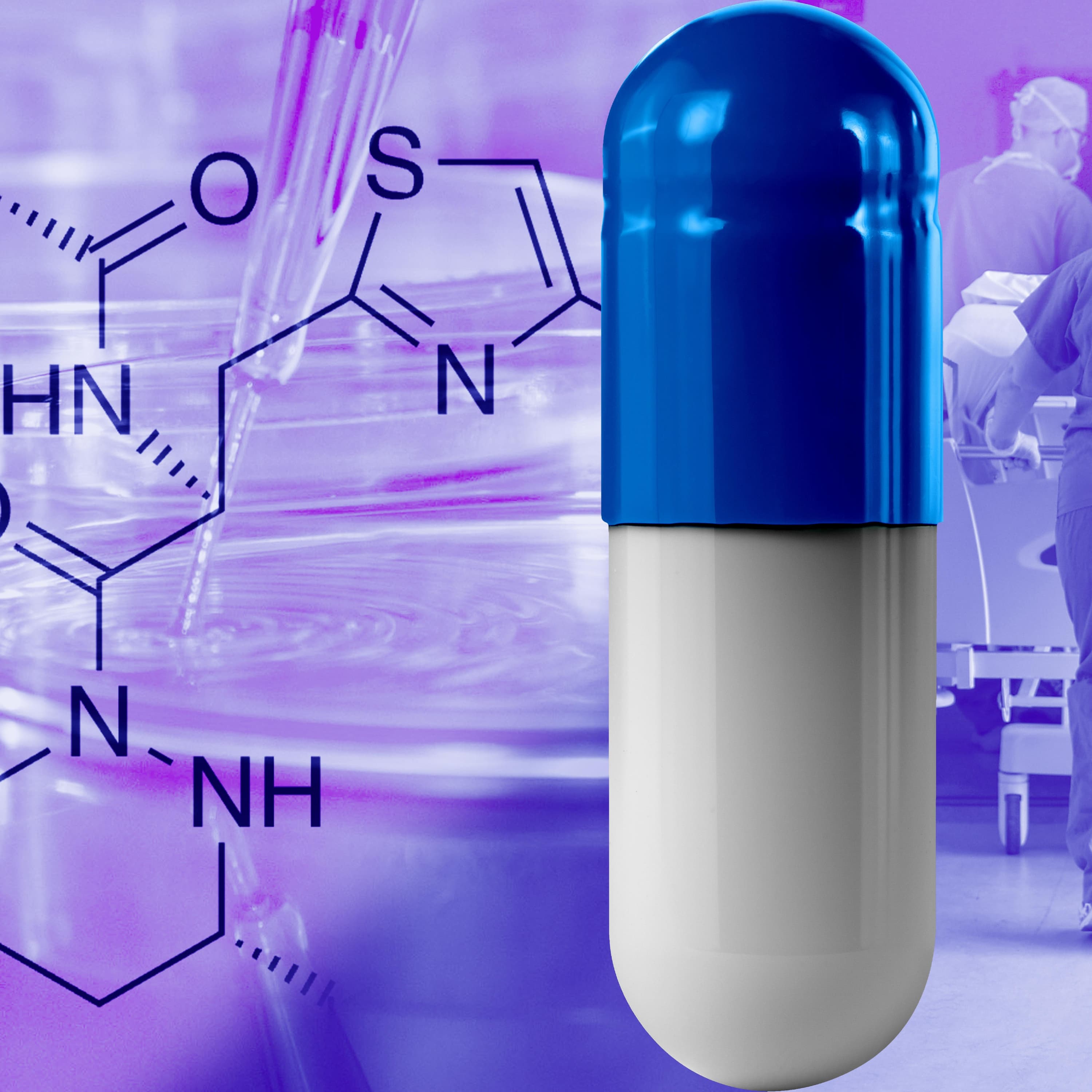
‘The undruggable became druggable’: a breakthrough cancer treatment

A daily pill can double survival time in patients with the world’s deadliest cancer, according to the results of a clinical trial that experts are saying is a gamechanger and one of the biggest breakthroughs in decades. To find out more about how daraxonrasib works and how life-changing it could…
11 Jun 14 min

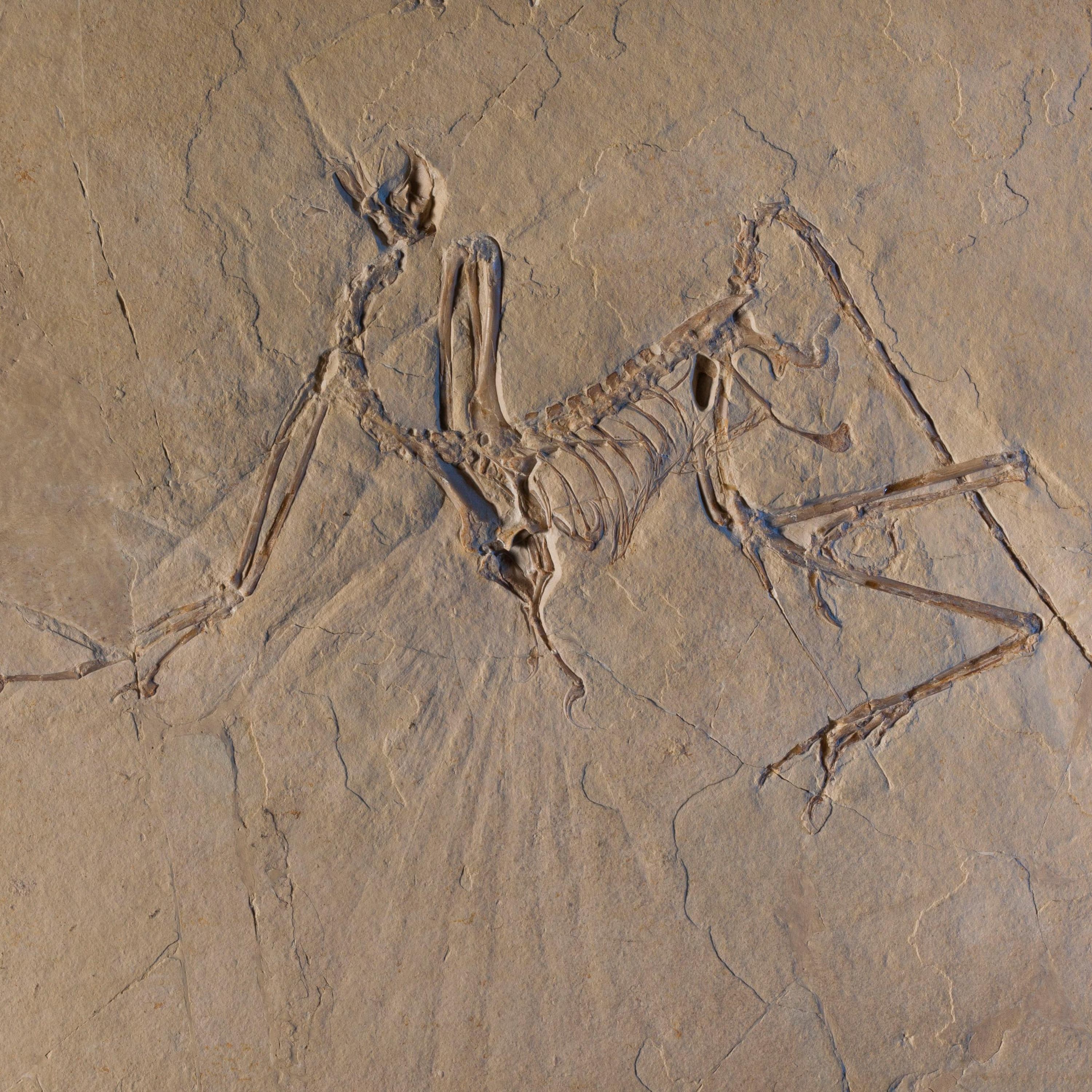
The dinosaurs who survived the asteroid

While many dinosaurs were wiped out when a colossal asteroid struck Earth 66m years ago, one group survived: birds. Prof Steve Brusatte, a palaeontologist at the University of Edinburgh, has written a new book, The Story of Birds, tracing the evolution of our feathered friends from their dinosaur origins. He…
9 Jun 17 min

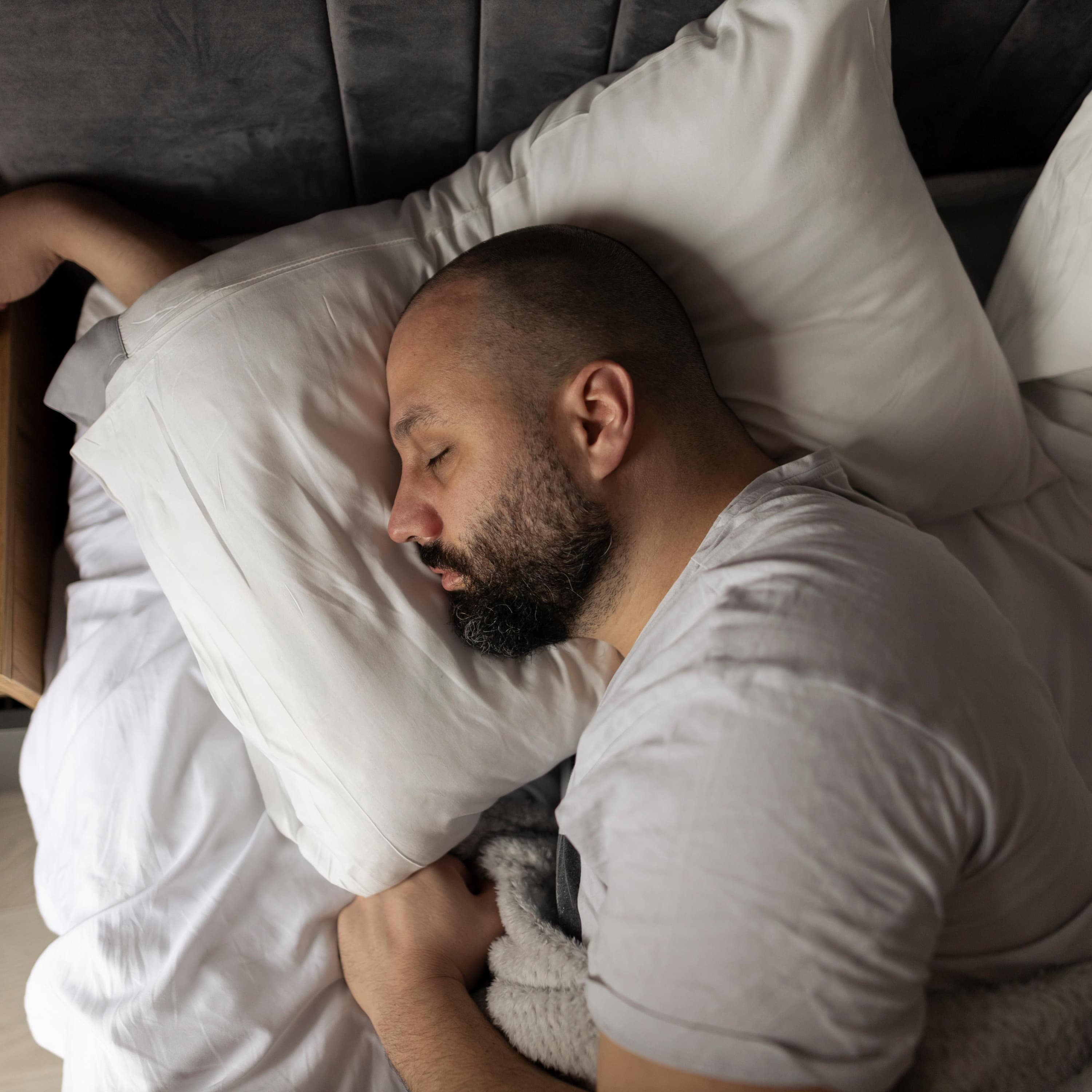
The incredible science of the sleeping brain

Humans have been wondering why we sleep for thousands of years. Is sleep’s purpose rest and relaxation, memory consolidation or maybe cognitive processing? In the last 15 years, scientists have discovered another possible explanation – waste disposal. In 2012 neuroscientist Maiken Nedergaard’s lab discovered that the brain has its own…
2 Jun 14 min

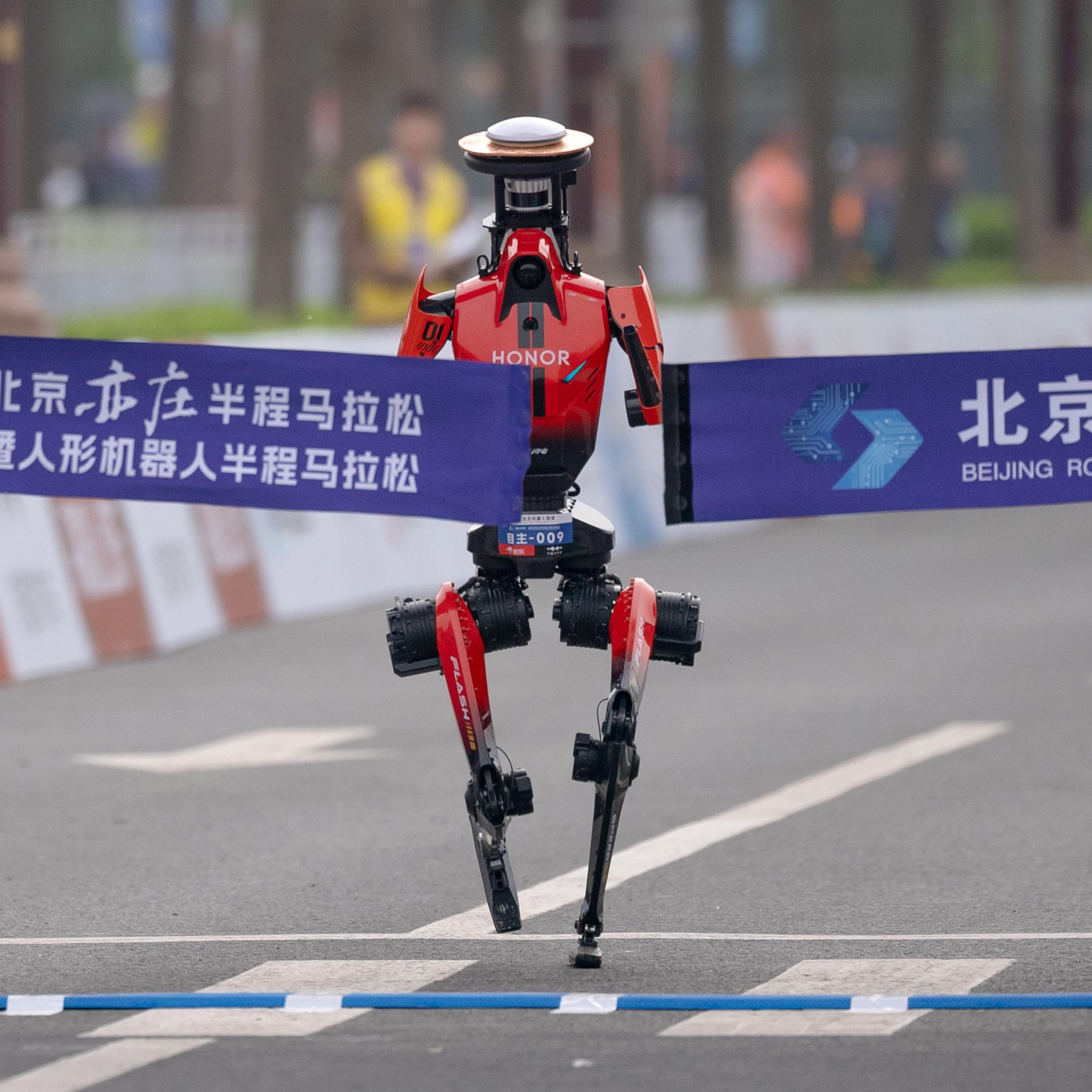
Are robots nearing their ChatGPT moment?

Last month at Beijing’s half marathon, a robot named Lightning beat the human world record by nearly seven minutes. It’s the latest in a string of AI-powered milestones that have got people wondering whether robots are about to enter our everyday lives, just as chatbots have. And the country leading…
28 May 17 min